
 Image 1 of 1
Description
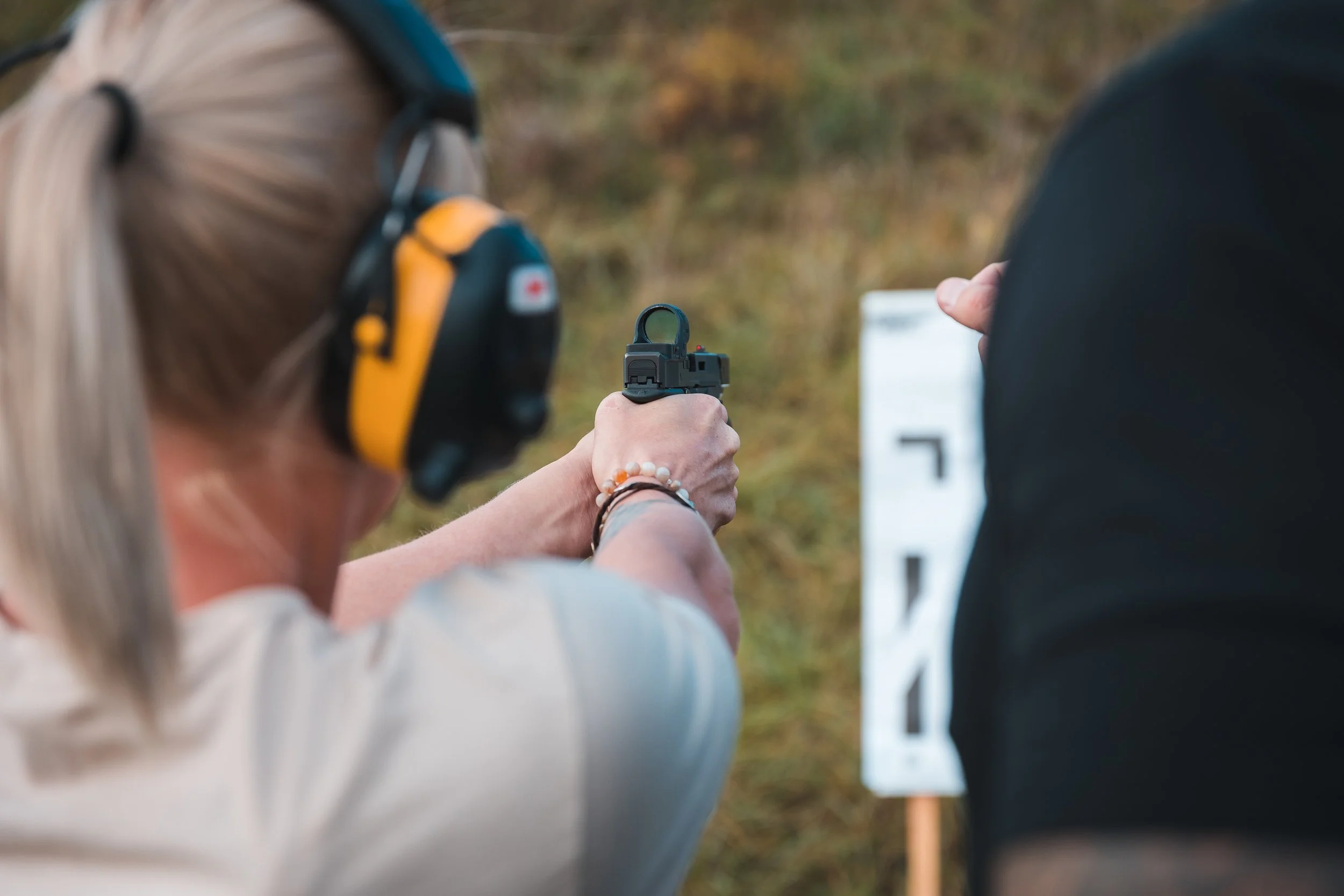
Pistol Level I is an intermediate-level handgun course designed for shooters who already possess a solid understanding of firearm safety, weapons handling, and marksmanship fundamentals. This course focuses on developing efficiency, consistency, and practical application through structured repetitions and purposeful training.
Students will build a stronger foundation in presentation, recoil management, target transitions, reloads, malfunction clearances, and practical firearms handling while improving their ability to deliver accurate and accountable hits under realistic conditions.
This is not a beginner course. Students should arrive with prior formal training and a working understanding of safe firearm handling and operation.
Students will learn and develop:
Efficient draw stroke from concealed or duty carry
Grip development and recoil management
Trigger control and shot accountability
Target transitions
Emergency and tactical reloads
Malfunction identification and clearance
Practical shooting at varying distances
Shooting under time constraints
Introduction to movement applications as time permits
Law Enforcement Officers
Military Personnel
Armed Professionals
Responsible Armed Citizens
Previous firearms training graduates
Students must:
Demonstrate safe firearms handling
Have prior formal firearms training
Be capable of drawing safely from a holster
Possess a valid pistol permit
Reliable semi-automatic pistol
Strong-side OWB or IWB holster
Minimum 3 magazines
Magazine carriers
Eye protection
Ear protection
Belt suitable for carrying equipment
Weather-appropriate clothing
Water and snacks
Note-taking material
Duration: 8 Hours
Round Count: Approximately 500 Rounds
Class Size: Limited Enrollment
Skill Level: Intermediate
Mission Over Man training is built around practical application, accountability, and measurable improvement. Students should expect a high volume of repetitions and purposeful training designed to develop skills that transfer beyond the range.
Description
Pistol Level I is an intermediate-level handgun course designed for shooters who already possess a solid understanding of firearm safety, weapons handling, and marksmanship fundamentals. This course focuses on developing efficiency, consistency, and practical application through structured repetitions and purposeful training.
Students will build a stronger foundation in presentation, recoil management, target transitions, reloads, malfunction clearances, and practical firearms handling while improving their ability to deliver accurate and accountable hits under realistic conditions.
This is not a beginner course. Students should arrive with prior formal training and a working understanding of safe firearm handling and operation.
Students will learn and develop:
Efficient draw stroke from concealed or duty carry
Grip development and recoil management
Trigger control and shot accountability
Target transitions
Emergency and tactical reloads
Malfunction identification and clearance
Practical shooting at varying distances
Shooting under time constraints
Introduction to movement applications as time permits
Law Enforcement Officers
Military Personnel
Armed Professionals
Responsible Armed Citizens
Previous firearms training graduates
Students must:
Demonstrate safe firearms handling
Have prior formal firearms training
Be capable of drawing safely from a holster
Possess a valid pistol permit
Reliable semi-automatic pistol
Strong-side OWB or IWB holster
Minimum 3 magazines
Magazine carriers
Eye protection
Ear protection
Belt suitable for carrying equipment
Weather-appropriate clothing
Water and snacks
Note-taking material
Duration: 8 Hours
Round Count: Approximately 500 Rounds
Class Size: Limited Enrollment
Skill Level: Intermediate
Mission Over Man training is built around practical application, accountability, and measurable improvement. Students should expect a high volume of repetitions and purposeful training designed to develop skills that transfer beyond the range.